The DeepSeek Effect
How R1 Disrupted NVIDIA's Market Dominance
In the rapidly evolving world of artificial intelligence (AI) and graphics processing units (GPUs), competition is fierce. Recently, the launch of DeepSeek R1 has sent shockwaves through the industry, particularly affecting NVIDIA, a long-standing leader in the GPU market. This blog post explores how DeepSeek R1 has disrupted NVIDIA's market dominance and what this means for the future of both companies and the industry at large.
Understanding the Landscape
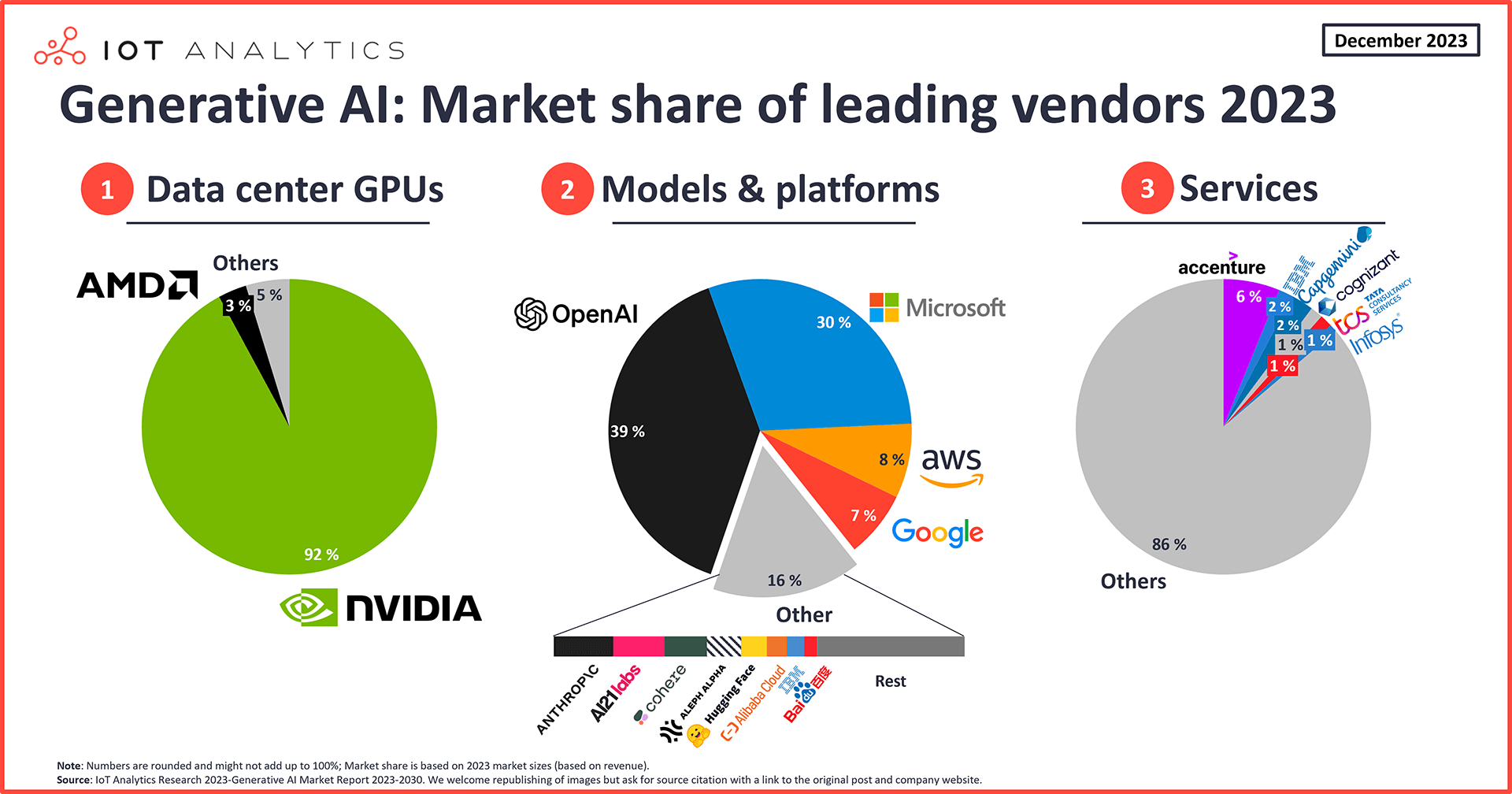
NVIDIA has been a powerhouse in the GPU market for years, known for its cutting-edge technology that powers everything from gaming to AI research. With a stronghold on the market, NVIDIA's products have become synonymous with high performance and innovation. However, the introduction of DeepSeek R1 has raised questions about NVIDIA's ability to maintain its leading position.
The Rise of DeepSeek

DeepSeek is a relatively new player in the AI and GPU space, but its R1 model has quickly gained attention for its impressive specifications and competitive pricing. The company has positioned itself as an alternative to NVIDIA, offering solutions that appeal to both consumers and enterprises looking for cost-effective yet powerful hardware.
DeepSeek's strategy focuses on leveraging open-source technologies and partnerships with emerging tech firms to enhance its product offerings. This approach not only reduces costs but also fosters innovation by allowing developers to contribute to and improve upon existing technologies.
The Immediate Impact on NVIDIA

The launch of DeepSeek R1 has had several immediate effects on NVIDIA's stock performance and market perception:
- Stock Price Volatility: Following the announcement of DeepSeek R1, NVIDIA's stock experienced significant volatility. Investors reacted swiftly, leading to a sell-off as concerns about increased competition took hold.
- Analyst Downgrades: Several financial analysts revised their ratings on NVIDIA after assessing the potential impact of DeepSeek R1. Downgrades typically lead to further declines in stock prices as investor confidence wanes.
- Market Sentiment Shift: The introduction of a strong competitor like DeepSeek has led to a shift in market sentiment. Investors are now more cautious about NVIDIA's growth prospects, particularly in light of potential market saturation.
Competitive Threats

DeepSeek R1 is not just another GPU; it represents a significant competitive threat to NVIDIA due to several key factors:
- Performance vs. Price: DeepSeek R1 offers comparable performance to NVIDIA's top models at a lower price point. This value proposition is particularly appealing to budget-conscious consumers and businesses looking to maximize their ROI.
- Innovative Features: The R1 model boasts unique features that cater specifically to AI applications, such as enhanced neural network processing capabilities. This specialization could attract developers seeking optimized solutions for their projects.
- Community Engagement: By fostering an open-source community around its products, DeepSeek encourages collaboration and innovation that could lead to rapid advancements in technology—something that traditional companies like NVIDIA may struggle to match.
Long-Term Implications for NVIDIA

The emergence of DeepSeek R1 forces NVIDIA to reevaluate its strategies moving forward. Here are some potential long-term implications:
- Innovation Pressure: To maintain its competitive edge, NVIDIA will need to accelerate its innovation cycle, focusing on developing new technologies that outpace competitors like DeepSeek.
- Pricing Strategies: As consumers become more price-sensitive, NVIDIA may need to reconsider its pricing strategies to remain attractive in an increasingly competitive landscape.
- Strategic Partnerships: Collaborating with other tech firms or investing in startups could help NVIDIA enhance its product offerings and stay relevant in a rapidly changing market.
- Market Diversification: Expanding into new markets or product categories could provide NVIDIA with additional revenue streams and reduce reliance on traditional GPU sales.
Conclusion
The launch of DeepSeek R1 marks a pivotal moment in the AI and GPU landscape, challenging NVIDIA's long-held dominance. As competition intensifies, both companies will need to adapt their strategies to thrive in this dynamic environment. For investors and consumers alike, this shift signifies a new era where innovation drives success, making it an exciting time for technology enthusiasts.


Comments
Post a Comment