The Calm Before the Storm
The NVIDIA Disruption: How an Open-Source AI Model Shook the Tech Giant
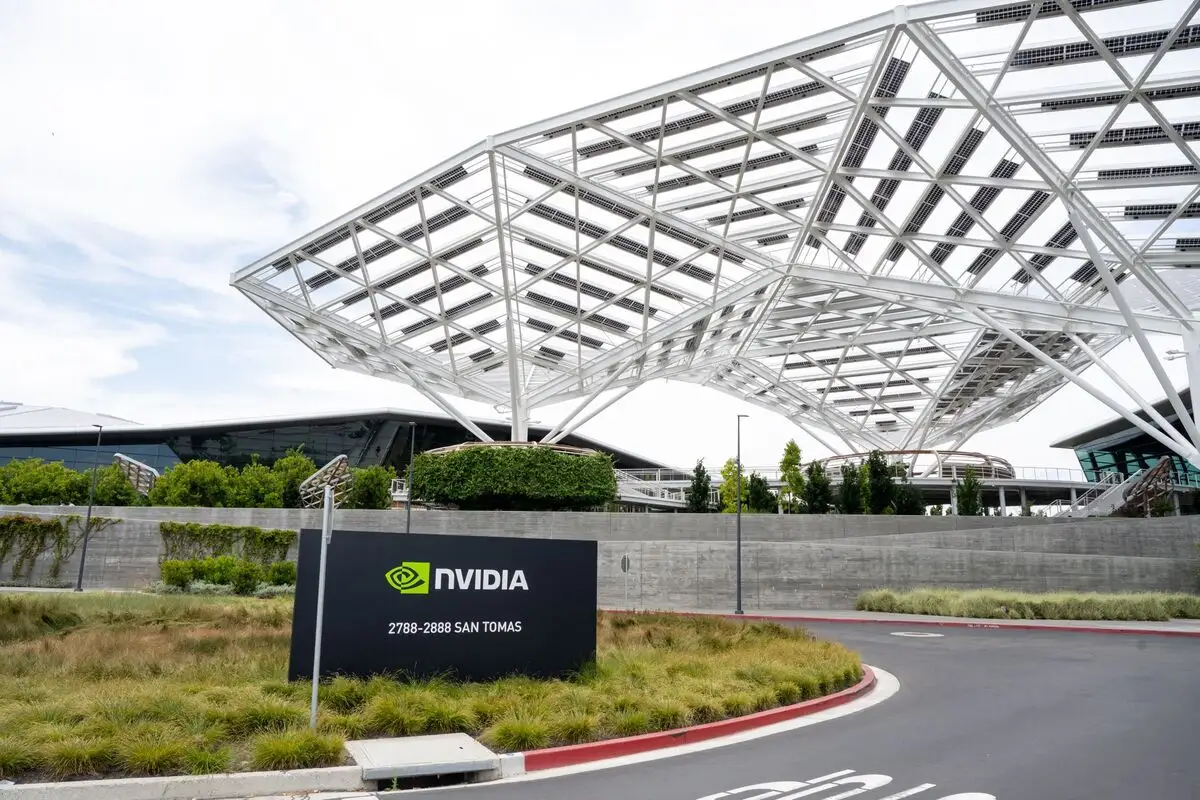
NVIDIA's headquarters in Santa Clara, California
The Rise of a Challenger
In a shocking development that has sent ripples through the tech industry, Chinese AI startup DeepSeek has introduced an open-source AI model called R1 that threatens NVIDIA's long-standing dominance in the AI hardware market. The innovation lies in R1's ability to operate efficiently without relying on NVIDIA's proprietary CUDA architecture, potentially disrupting the company's stronghold on AI computing.
Understanding CUDA's Importance
CUDA (Compute Unified Device Architecture) is NVIDIA's parallel computing platform and programming model that has become the de facto standard for AI development. It allows developers to use NVIDIA GPUs for general-purpose computing, making these graphics cards essential for AI workloads. Until now, most major AI frameworks have relied heavily on CUDA for acceleration.
Market Impact and Investor Response
:max_bytes(150000):strip_icc()/NVDA_2025-01-27_18-28-57-8c1c9f212e914360a46a2ee1009af4da.png)
NVIDIA stock performance following the DeepSeek announcement
The market's reaction to DeepSeek's announcement has been swift and severe. NVIDIA's stock has experienced a significant downturn as investors grapple with the implications of this technological breakthrough. The sell-off began with institutional investors and hedge funds, quickly spreading to retail investors as concerns about NVIDIA's future market position intensified.
Technical Innovation and Industry Implications
DeepSeek's R1 model represents a significant technical achievement in the AI field. By creating a cost-effective and scalable solution that doesn't rely on NVIDIA's architecture, they've opened the door to more diverse hardware options for AI development. This could lead to increased competition in the AI hardware market and potentially lower costs for AI implementation across industries.
Key Features of DeepSeek's R1 Model
The R1 model's hardware-agnostic approach means it can run efficiently on various hardware platforms, potentially reducing the industry's dependence on specialized GPU hardware. This open-source nature could accelerate AI adoption by making the technology more accessible and affordable for developers and companies of all sizes.
NVIDIA's Response and Future Outlook
NVIDIA's response to this challenge has been multi-faceted. The company's engineering teams are analyzing the R1 model while their legal department explores potential national security implications. Simultaneously, NVIDIA is considering lobbying for export controls and investing in next-generation chip development to maintain their competitive edge.

Visualization of AI model computation across different hardware architectures
Broader Market Effects
The impact of DeepSeek's innovation extends beyond NVIDIA, affecting other major tech players like AMD, Microsoft, and Amazon. These companies, which have built significant infrastructure around NVIDIA's technology, may need to reevaluate their AI strategies in light of this development.
However, some analysts suggest that the democratization of AI through more accessible and cost-effective solutions could ultimately expand the market, potentially benefiting all players in the long run. The key will be how quickly companies can adapt to this shifting landscape.
Looking Ahead
While NVIDIA's CUDA ecosystem remains deeply entrenched in the AI development landscape, DeepSeek's breakthrough demonstrates how quickly technological innovation can challenge even the most dominant market players. The coming months will be crucial in determining whether this represents a temporary disruption or a fundamental shift in the AI hardware market.
Key Takeaways
This situation highlights the dynamic nature of the tech industry and the potential impact of open-source innovation on established market leaders. It also underscores the broader implications of US-China tech competition and the complex interplay between technical innovation, market dynamics, and geopolitical considerations.


Comments
Post a Comment